Recycled Stone Pocket Park
Armagh Pocket Park transforms a neglected gap site on Upper English Street into a calm, green civic space within the city’s historic core.
The project is an exemplar for how the circular economy and reuse of leftover material can unlock meaningful town-centre regeneration in a conservation area.
-
Client: Armagh City, Banbridge and Craigavon Borough Council
Commissioned through Armagh Banbridge and Craigavon Council’s Townscape Heritage Scheme, the project reimagines the edge of a car park as a welcoming and durable public space that supports everyday use. Working closely with local stakeholders, businesses and property owners, the design responds to the Conservation Area setting, repairing the rhythm of the street while introducing planting, seating and opportunities for informal gathering.
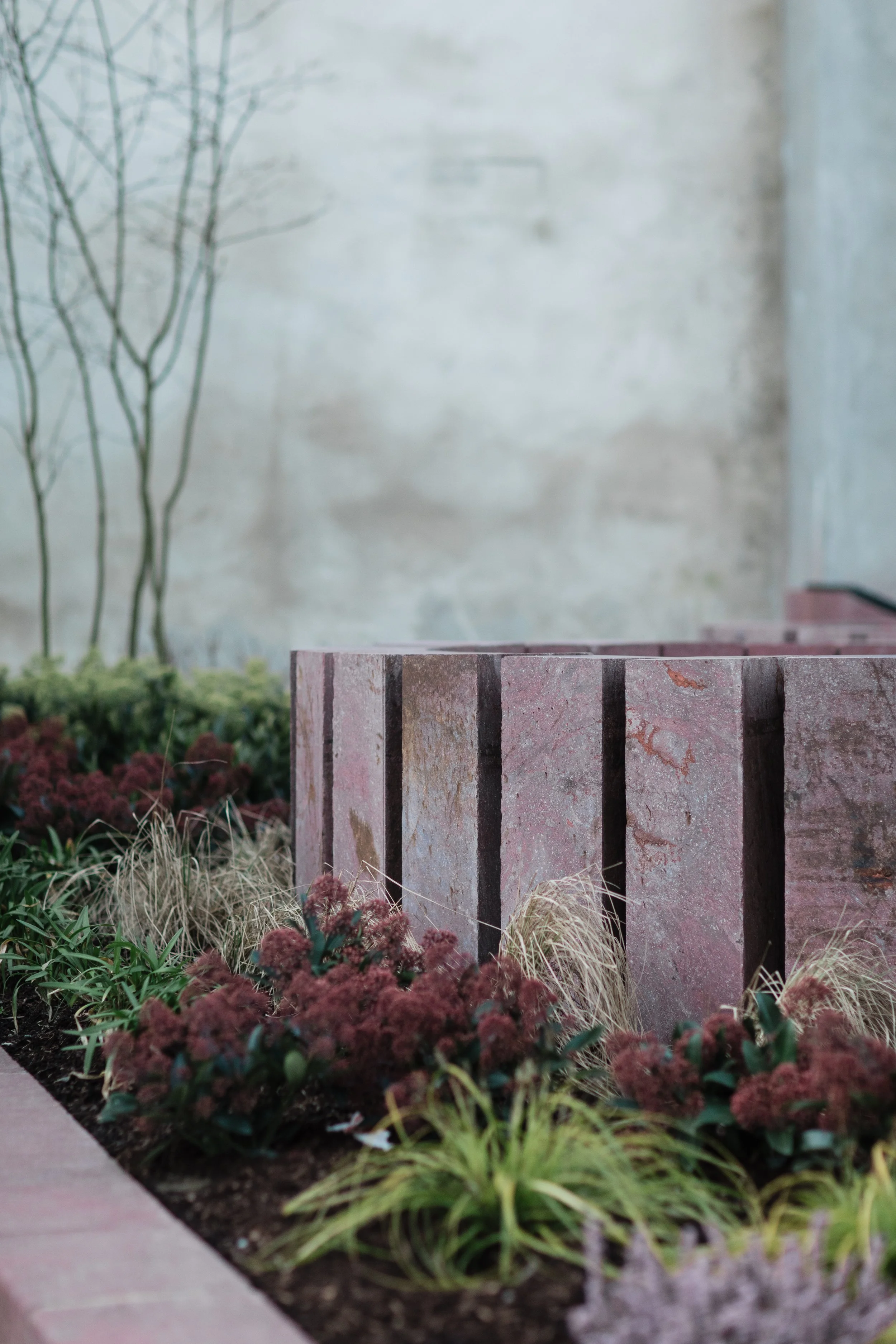
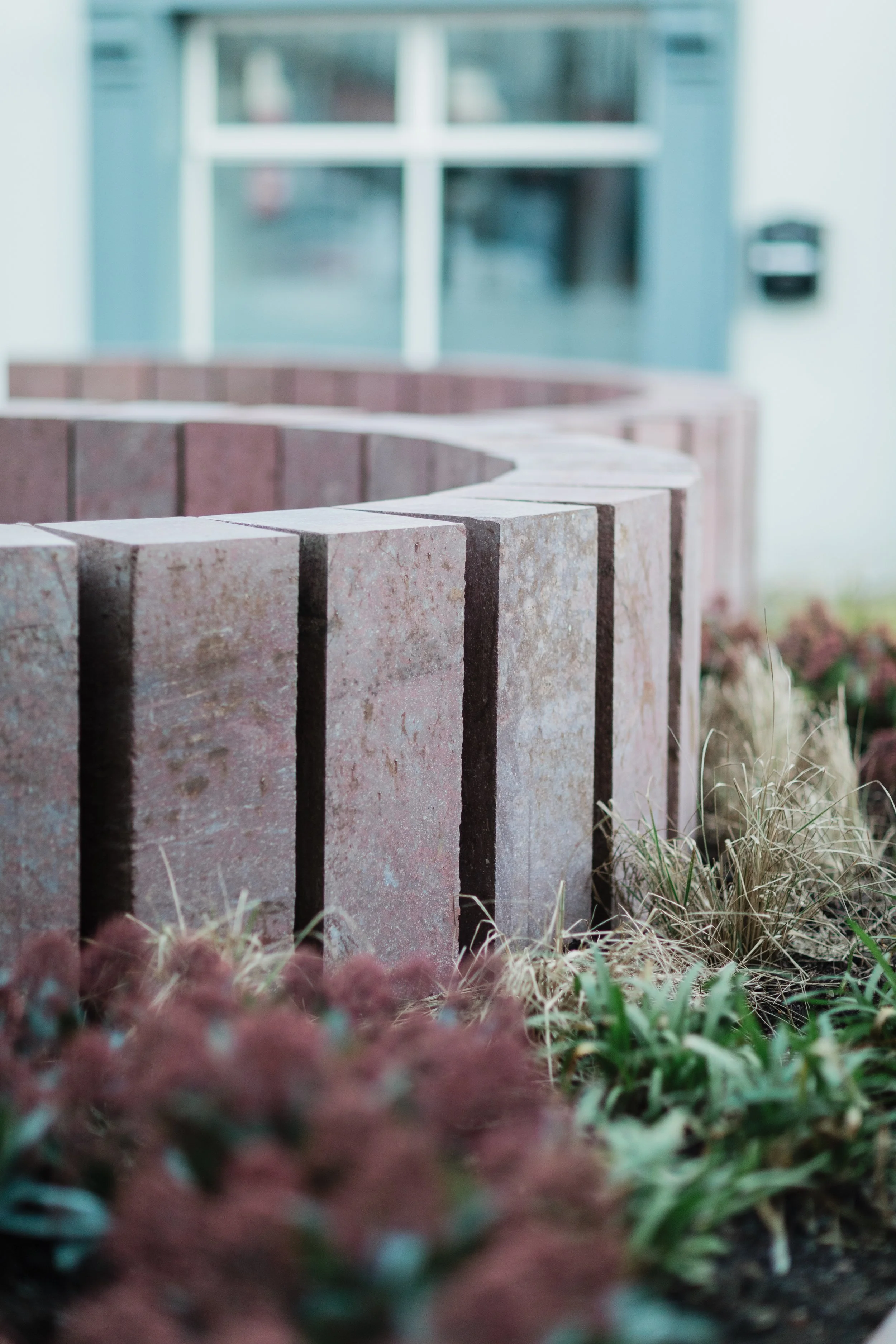
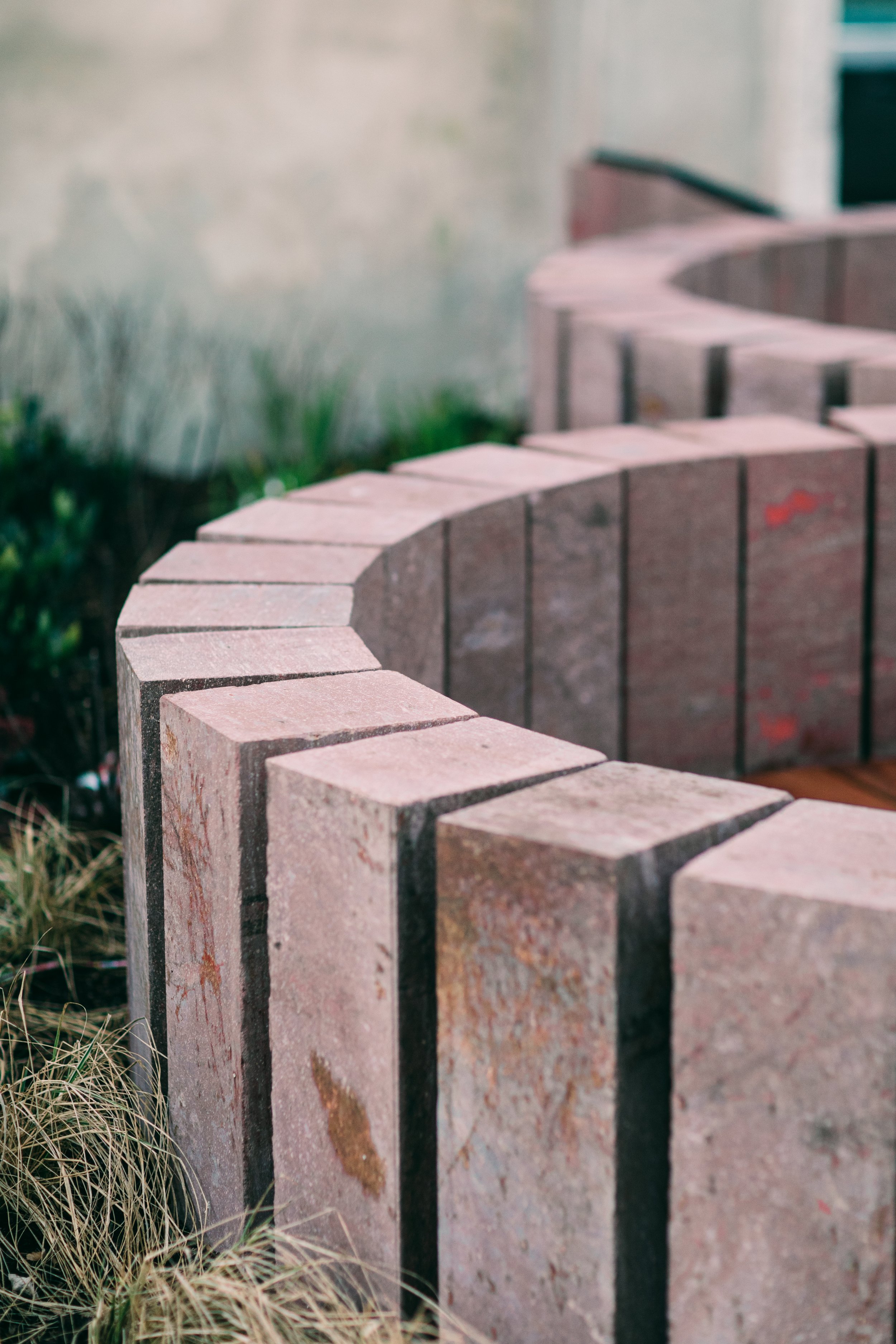
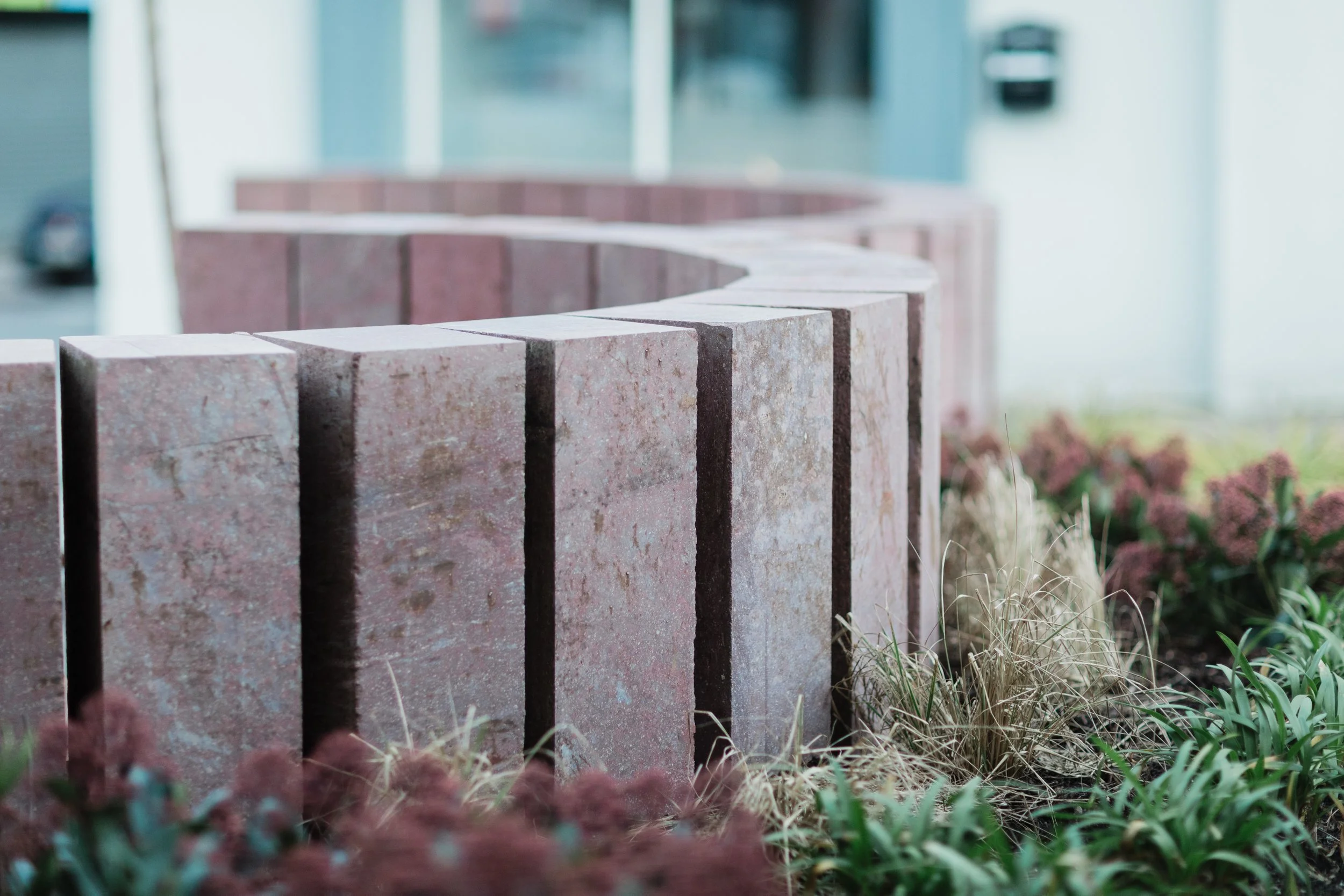
The scheme utilises leftover stone material (stone kerbs rotated to sit on their ends) to form a sculptural series of intimate but robust spaces. The space is calm, legible and comfortable, encouraging people to pause, meet and spend time supporting footfall and strengthening connections between key routes in the city centre.
Despite its modest footprint, the park plays an important role in the regeneration of Upper English Street. By bringing activity, greenery and a sense of care to an overlooked site, it improves perceptions of safety, supports local businesses and demonstrates the value of small, well-considered interventions in shaping town-centre life.
Transforming the site required close coordination with multiple landowners, businesses and community stakeholders. Workshops and consultations informed the design, ensuring the park responds to local needs while aligning with the Council’s wider regeneration ambitions.
Working within tight funding deadlines and a fixed budget, the design team undertook early cost checks and careful value engineering to ensure efficient delivery without compromising quality. The project demonstrates how focused public-realm investment can be delivered quickly and economically while achieving lasting civic impact
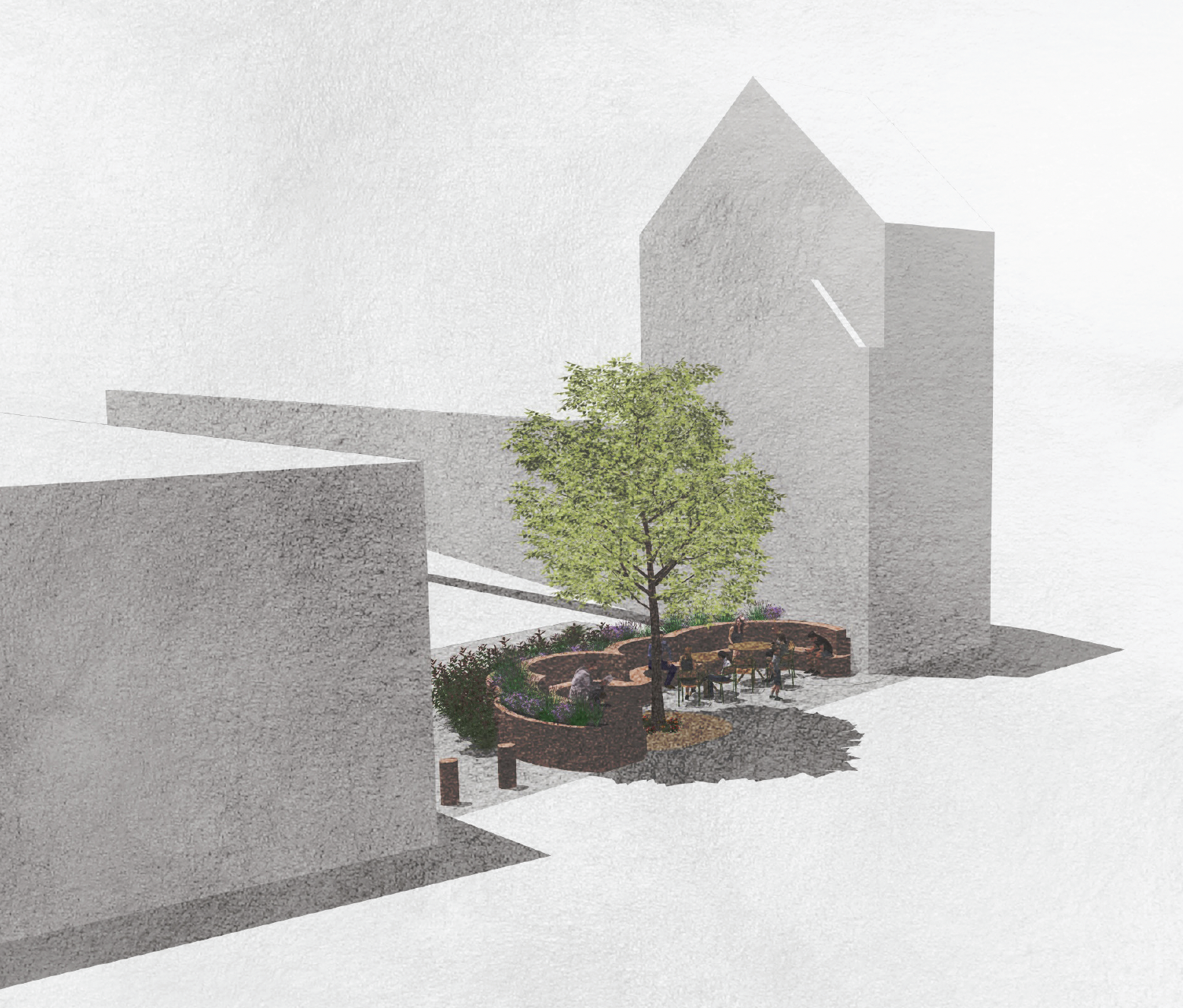
Transforming a neglected urban gap site

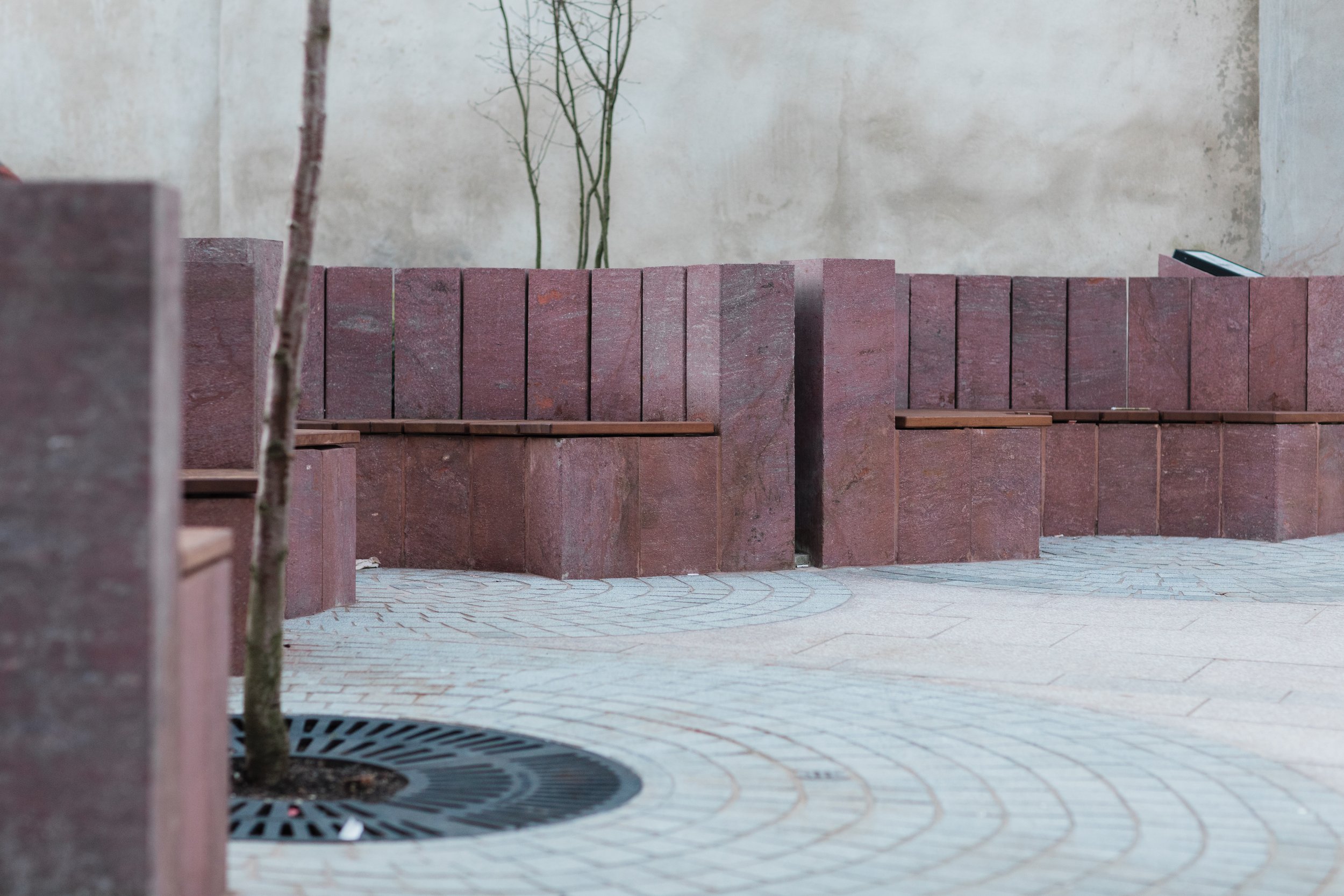
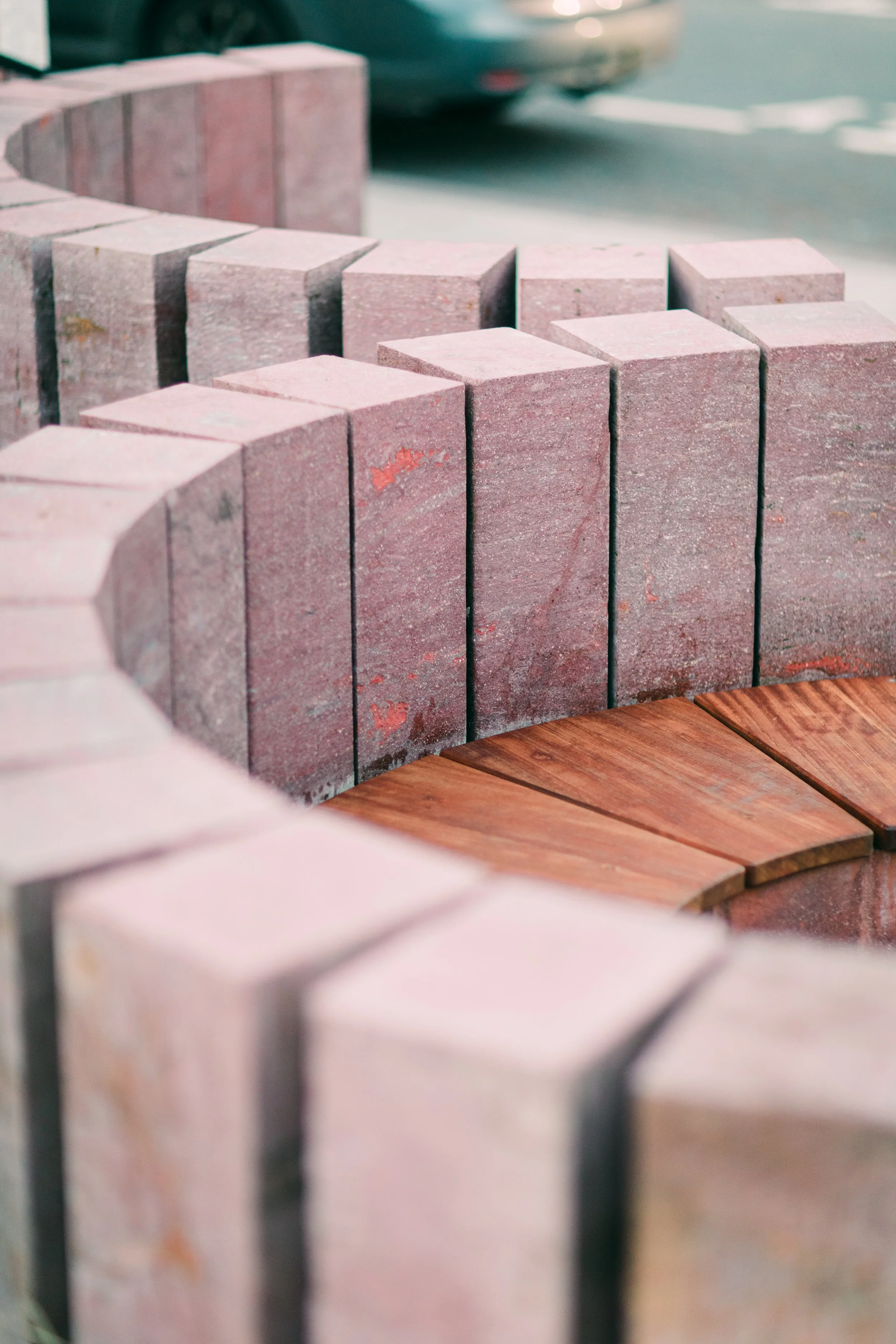
Impact
A key aspect of the project is its use of reclaimed stone sourced from a Council yard — repurposing leftover and waste material into a new piece of civic infrastructure. This approach demonstrates how circular economy principles can be embedded in public realm projects, reducing waste while creating a distinctive and locally grounded identity.
The reuse of stone not only lowers environmental impact but also ties the park materially and culturally to its context, giving new life to resources that would otherwise remain unused. As a result, the scheme stands as an exemplar for how councils can rethink surplus materials as assets — delivering high-quality placemaking that is both sustainable and economically efficient.
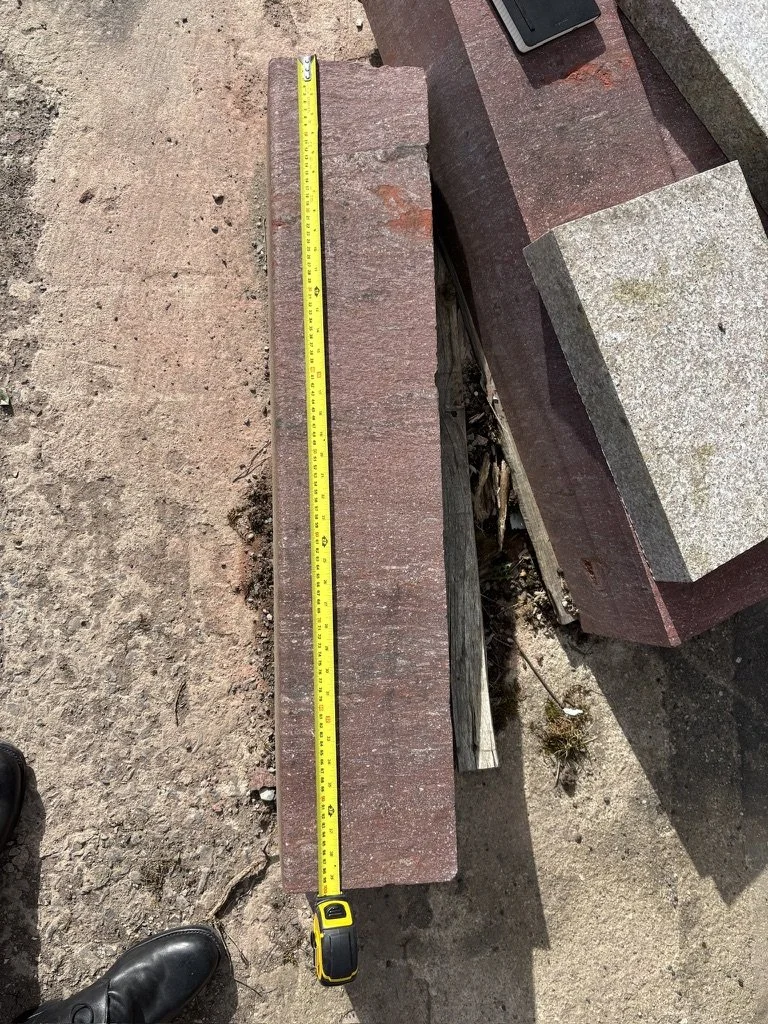
The project is an exemplar in circular economy - reuse of surplus stone kerbs
Process
Transforming the site required careful coordination with multiple landowners, businesses and community stakeholders. Workshops and consultations informed the design, ensuring the park responded to local needs while supporting the council’s wider regeneration ambitions.
Working within tight funding deadlines and a fixed budget, the design team undertook early cost checks and value-engineering to ensure the project could be delivered efficiently without compromising quality. The resulting scheme demonstrates how well-designed public-realm projects can be delivered rapidly and economically while achieving meaningful urban impact.